The Messianic Jewish story
A modern, diverse and contested movement joining faith in Yeshua with Jewish identity and practice.
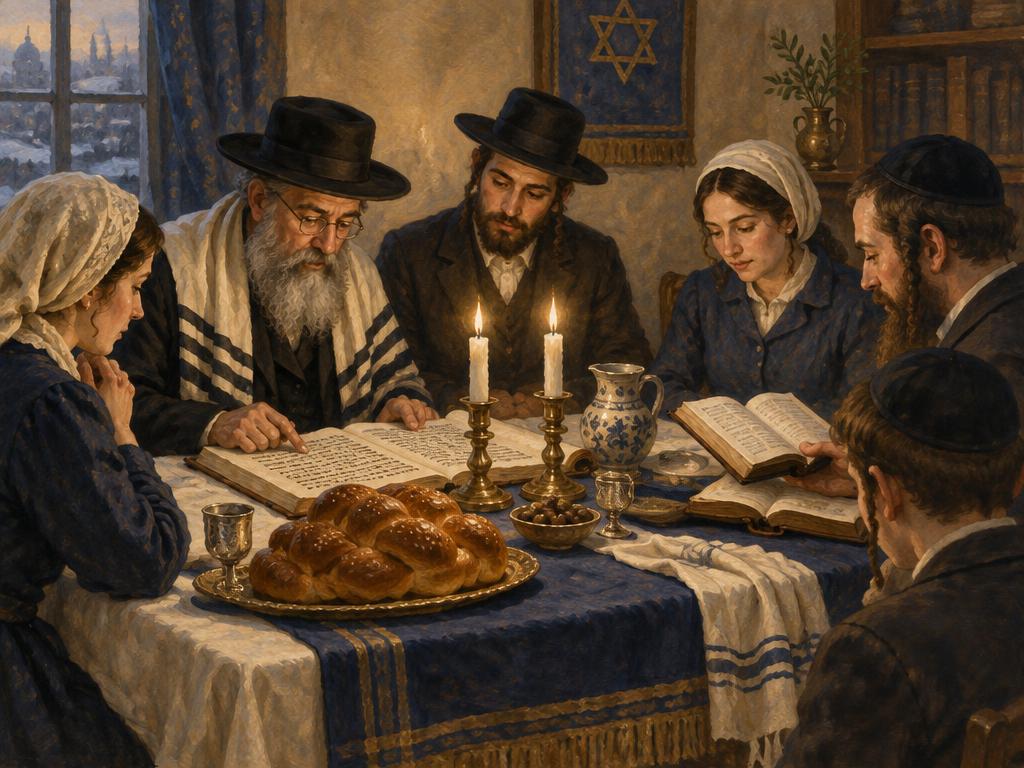
Artist's impression of a formative scene; not a documentary reconstruction.
Where the story begins
Roots and beginnings
Messianic Judaism consists of Jewish people and congregations who affirm Jesus—usually called Yeshua—as Messiah while retaining forms of Jewish identity, festival, prayer and communal life. Its members often look to the first Jewish followers of Jesus as an ancient precedent.
The organized modern movement is newer. It developed from Hebrew Christian associations and took a distinctly Messianic form from the late 1960s and 1970s. It is not one denomination, and its identity is contested: mainstream Jewish communities generally regard it as Christianity, while Messianic communities describe themselves in Jewish terms.
Turning points
How it took shape
1st century
Jewish followers of Yeshua
The earliest Jesus movement was Jewish and remained connected to Temple, synagogue and Jewish scripture. Modern Messianic communities often see this as a model for faith in Yeshua without surrendering Jewish identity.
1915
The Hebrew Christian Alliance
An American alliance gave Jewish believers in Jesus fellowship and support. It generally sat within Gentile Christian life rather than building a distinct Jewish liturgical community.
1967 and after
Identity reclaimed
Renewed interest in Israel and Jewish identity, alongside the Jesus Movement, encouraged younger Jewish believers to resist assimilation and adopt Jewish forms of worship.
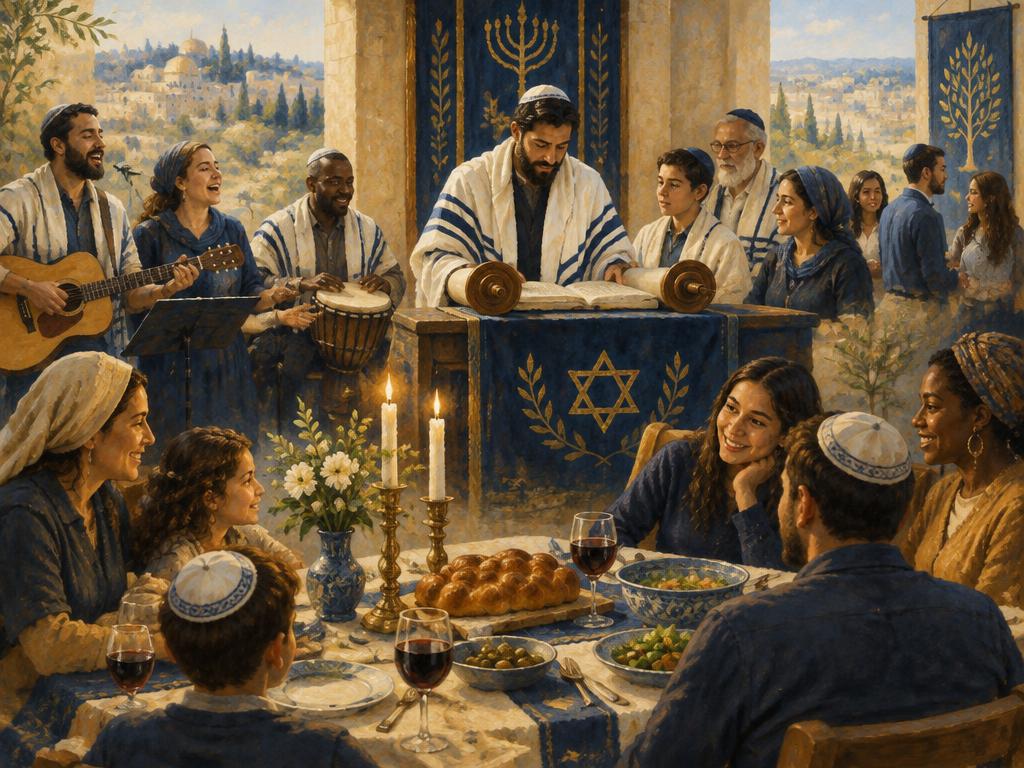
Artist's impression of a later turning point. 1975
A change of name
The Hebrew Christian Alliance became the Messianic Jewish Alliance of America. The new language signalled an enduring Jewish identity rather than a past left behind at conversion.
1979
Congregations organize
The Union of Messianic Jewish Congregations formed to support synagogue-style communities and shared standards. Other alliances developed alongside it, reflecting the movement's varied approaches.
The family today
Not all one shape
No short guide can speak for every congregation. These are some of the differences within the family.
- Some congregations closely follow traditional Jewish liturgy; others resemble evangelical or charismatic churches with Jewish elements.
- Jewish and non-Jewish participants worship together, but congregations differ over their respective roles and obligations.
- The movement's identity remains genuinely disputed, and a fair account should state both its own self-understanding and mainstream Jewish objections.
Shared ground
What remains in common
Messianic believers share Christian faith in Jesus as Messiah and deep reverence for the Hebrew Scriptures, while distinctively emphasizing Jewish continuity and practice.
Further reading
Sources
This is a starting map, not a complete or official account. Traditions contain many cultures, communities and disagreements.