The traditions
How different Christians pray — and why it looks the way it does.
None of this is a ranking. Each tradition is described the way it would describe itself, so you can walk in anywhere and understand what's happening.
Each guide now has an optional illustrated back story: where the tradition began, what changed it, and why it looks the way it does today.

Catholic
The Mass at the centre, the sacraments as ordinary doorways to grace, and a family of saints who pray alongside you.

Orthodox
The Divine Liturgy sung rather than said, icons as windows, and a very old, very patient way of praying.

Anglican / Episcopal
A prayer book you can hold, morning and evening prayer as a daily rhythm, and a wide range of styles under one roof.

Lutheran
Grace first and grace last, a liturgy kept rather than discarded, and hymns doing much of the teaching.

Methodist
Warm-hearted faith, hymns by the hundred, an open communion table, and small groups where honesty is expected.
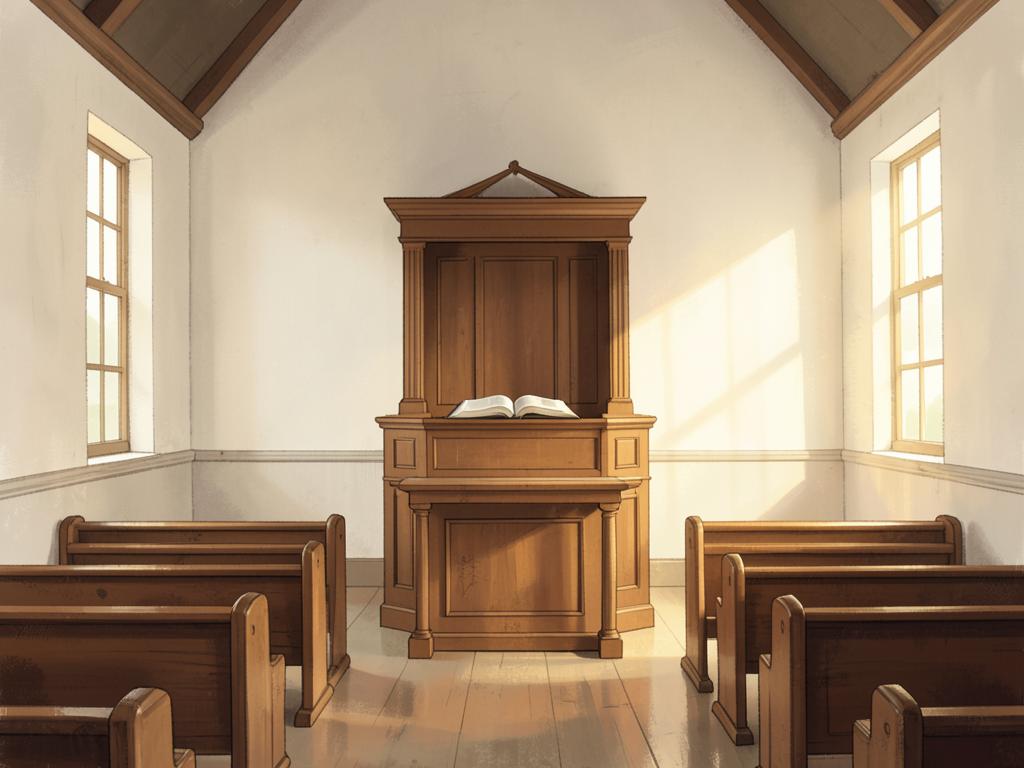
Presbyterian / Reformed
The Word preached at the centre, plainness on purpose, psalms sung, and churches led by elders rather than one figure.

Baptist
Baptism when you choose it, a church that governs itself, a plain room, and the Bible in everybody's hands.

Pentecostal / Charismatic
Long sung worship, prayer out loud and unscripted, the gifts of the Spirit expected, and hands laid on the sick.
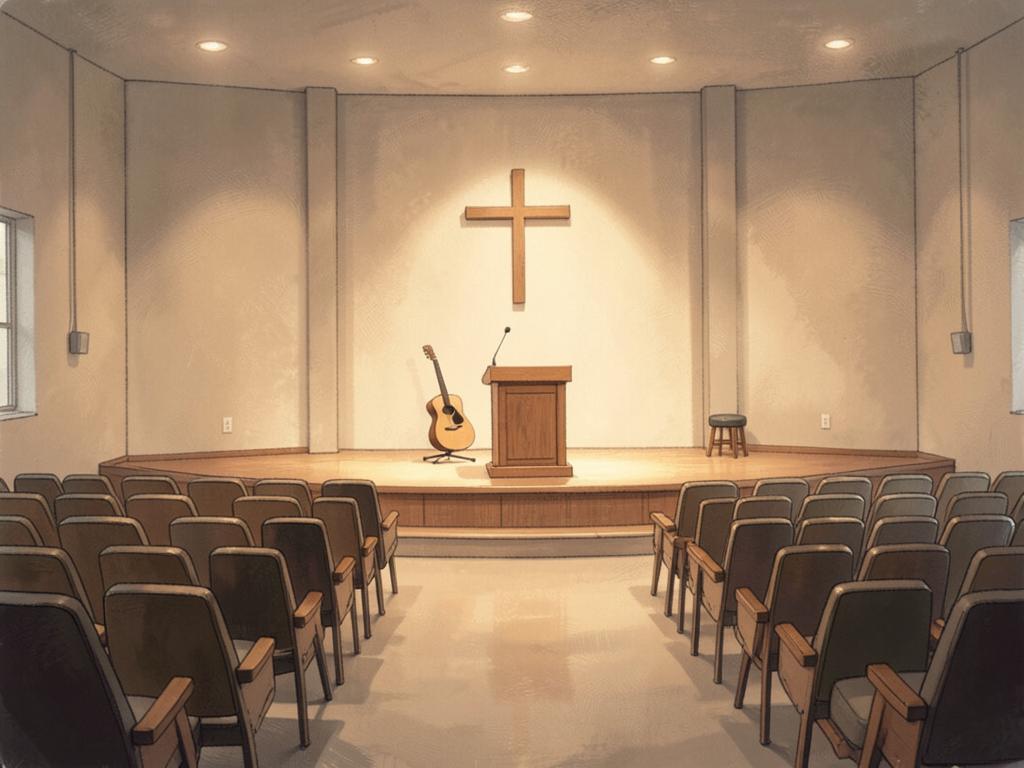
Evangelical / Non-denominational
The Bible taught carefully, a personal relationship with Jesus, band-led worship, and life lived in small groups.
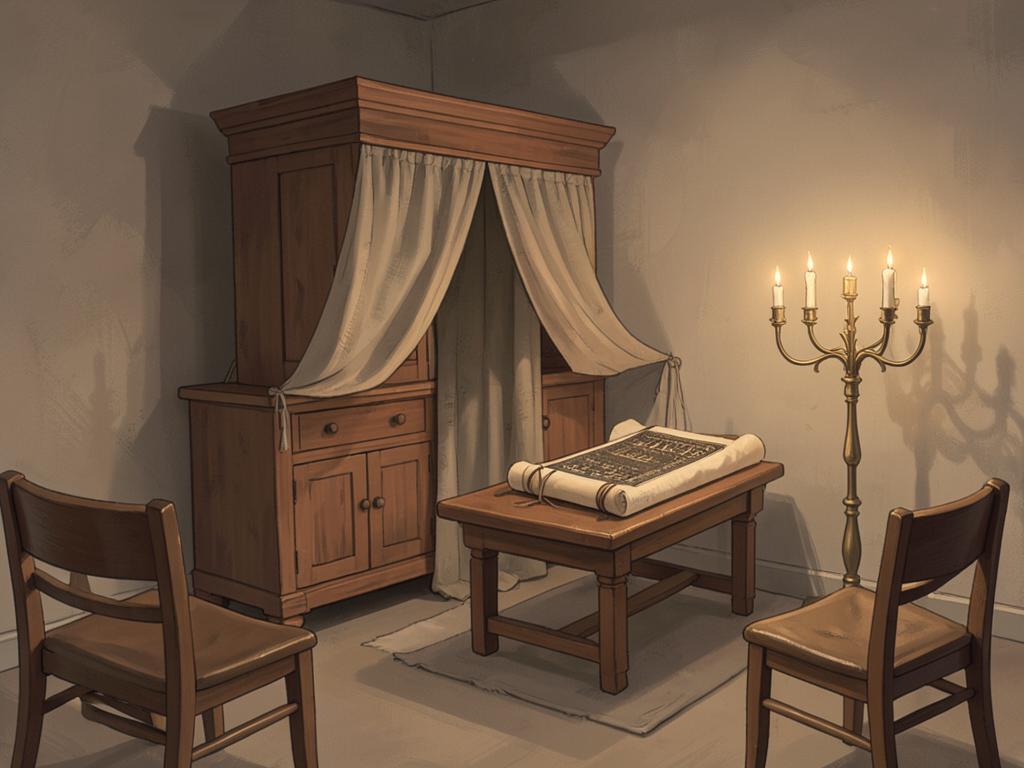
Messianic Jewish
Yeshua as Israel's Messiah, Shabbat kept, the feasts of Leviticus celebrated, and the Hebrew roots of the faith held onto.